
Royal Patron
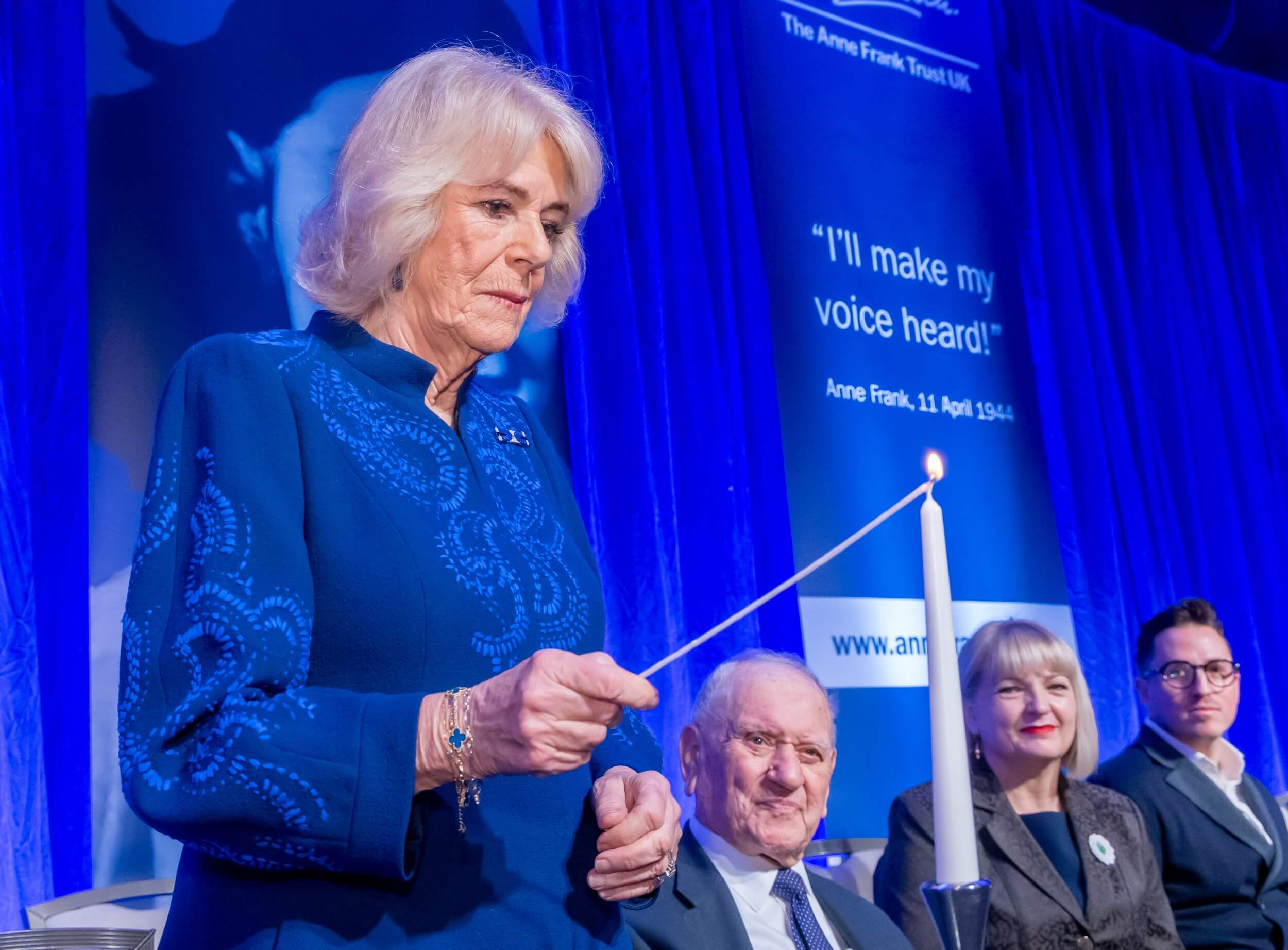
Her Majesty The Queen
Her Majesty The Queen became the first Royal Patron of the Anne Frank Trust UK in January 2024. Her longstanding dedication to promoting literacy and championing opportunities for young people closely aligns with our own mission to use Anne Frank’s story and diary to inspire empathy and empower young people to build a more inclusive society.
Speaking at our Annual Lunch in 2025, Her Majesty reflected on the importance of learning from those who bore witness to the horrors of the Holocaust and subsequent genocides, and of ensuring that future generations are equipped to challenge hatred and prejudice in all its forms. She concluded by sharing Anne Frank’s words of 7 May 1944:
“What is done cannot be undone, but at least one can prevent it from happening again.”
Her Majesty’s patronage reflects our shared commitment to empowering young people to build a more inclusive and compassionate society.
Honorary Patrons
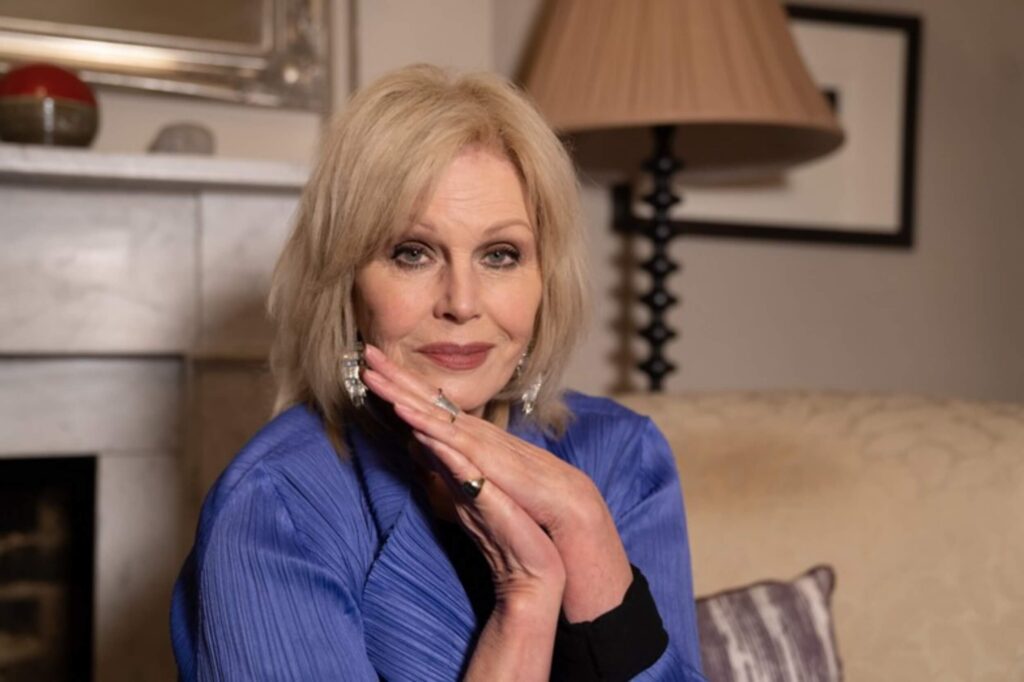
Dame Joanna Lumley
Dame Joanna Lumley is an English actress, author, and activist. She became an Honorary Patron of the Anne Frank Trust in June 2026, having long supported the Trust’s mission.
Her decades-long commitment to human rights makes her a natural champion for our work, which empowers young people to build a fairer, more just society. Reflecting on the 2022 Holocaust Memorial Day theme, One Day, Dame Joanna said:
“One day, we will realise that what makes life worthwhile is kindness to all creatures, and awe-struck appreciation of how beautiful this sensational planet is.”
Dame Joanna’s patronage reflects our shared commitment to empowering young people to build a more inclusive and compassionate society.
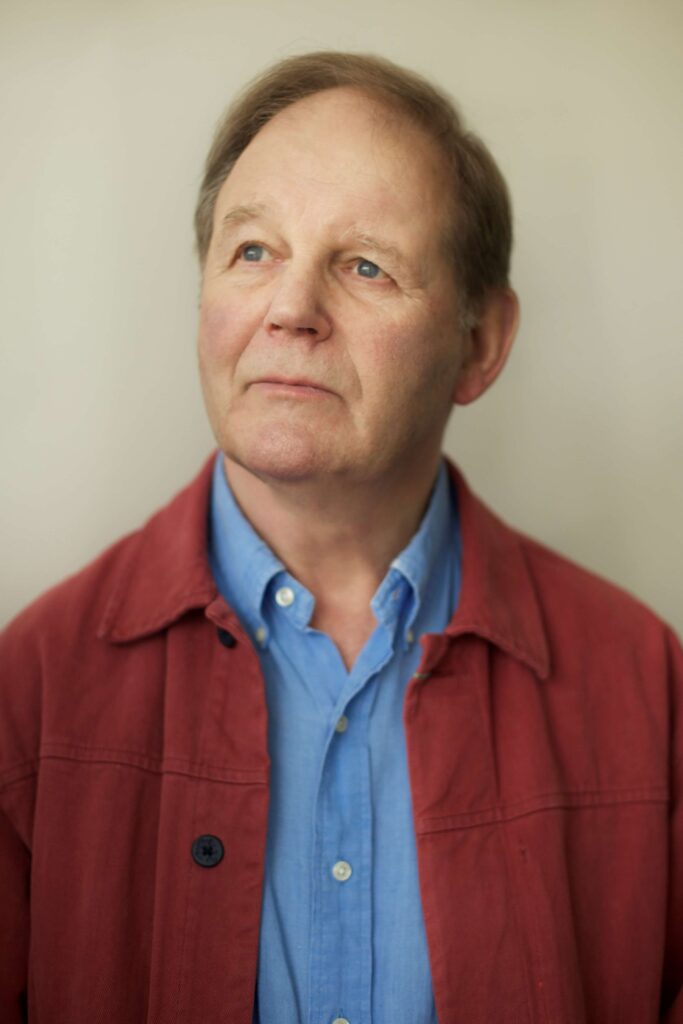
Sir Michael Morpurgo OBE
Sir Michael Morpurgo is a beloved children’s author and former Children’s Laureate whose writing has inspired people around the world. He became an Honorary Patron in June 2026, having supported the Trust for many years.
Sir Michael’s lifelong dedication to children’s literature makes him a natural advocate for the Trust’s work. As a war-child himself, Sir Michael has described first learning of the horrors of the Holocaust through Anne Frank’s diary, an experience that inspired him to write his own novels for young readers about the human cost of war.
Speaking at our Annual Lunch in 2024, Sir Michael reflected on the importance of testimony:
‘I’m firmly convinced that unless we know and remain aware of where prejudice can and does lead, unless we know the history of the Holocaust, then it can happen again, again and again. And I’m also convinced that it is stories that can keep us vigilant, that all of us growing up have to be made aware, generation after generation.’
Sir Michael’s patronage reflects our shared passion for the power of testimony and storytelling to empower young people to challenge prejudice in all its forms.
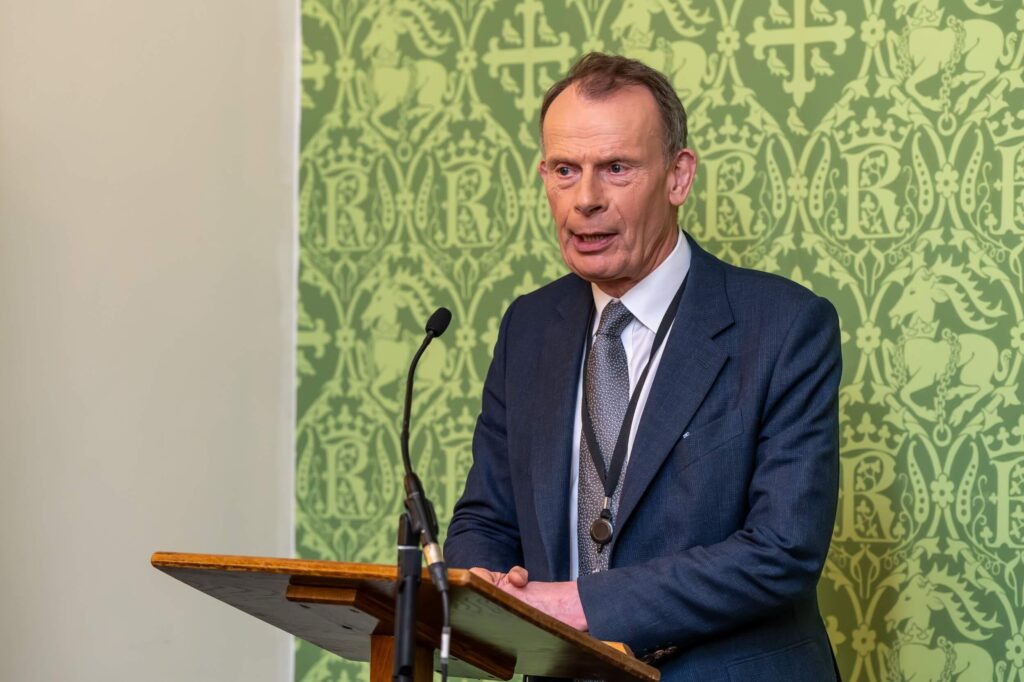
Andrew Marr
Andrew Marr is one of the UK’s most respected journalists and broadcasters and became an Honorary Patron of the Anne Frank Trust in June 2026.
As an acclaimed author, Andrew is passionate about the role of history in education. He believes that enabling young people to understand the past is essential to navigating today’s world, particularly in an age where social media can amplify misinformation and distort historical truth.
Speaking at the launch of our Impact report Challenging Prejudice, Changing Attitudes in Parliament in June 2026, Andrew warned about the dangers of misinformation:
‘It is the lies about history, it is the distortions about other groups of people in our society that are being fed into people’s brains the whole time, day after day, minute by minute, that proper history has to combat’
Andrew’s patronage reflects our shared belief that education is one of the most powerful tools we have to help young people recognise and challenge misinformation, prejudice and discrimination wherever they encounter it.
Survivor Patrons
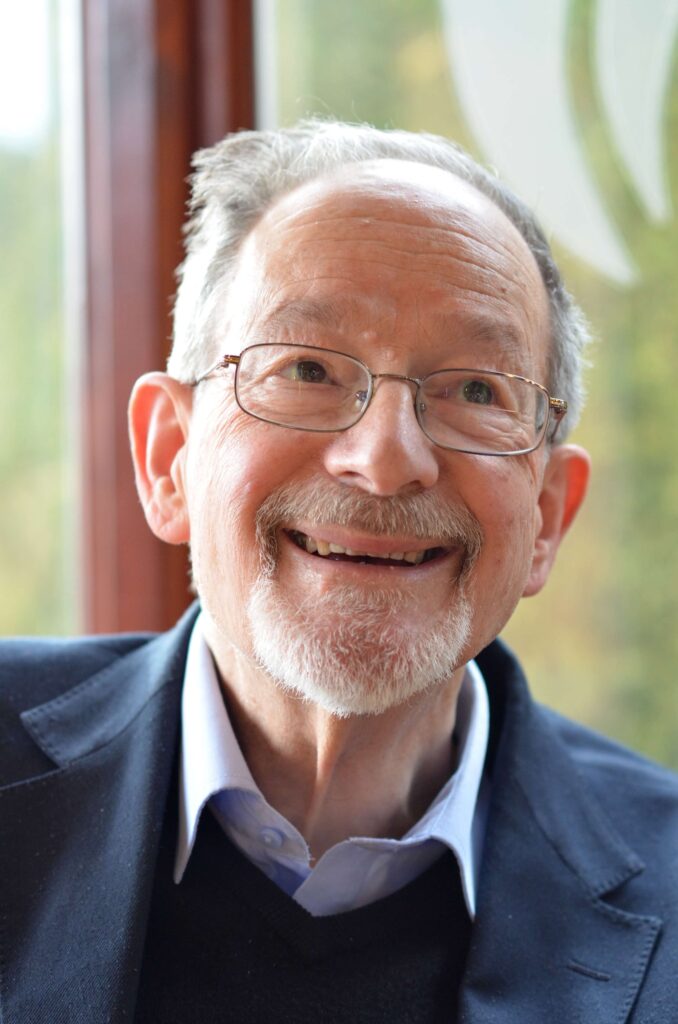
Martin Stern MBE
Martin Stern MBE was born in the Netherlands in 1938, just a few streets away from Anne Frank. As a child, he was arrested and deported to Westerbork and Theresienstadt concentration camps, where he survived alongside his younger sister. After the war, Martin settled in Britain, became an NHS consultant, and has dedicated much of his retirement to Holocaust education. Today, he shares his testimony with young people across the UK, helping them understand the consequences of prejudice, hatred, and discrimination.
‘It has been my pleasure to work with the Anne Frank Trust for some years, to go to schools, to go to conferences, and to take part in the educational process’
Eva Clarke BEM
Eva Clarke BEM was born in April 1945 at Mauthausen concentration camp, just days before its liberation. While the rest of Eva’s family were murdered in the Holocaust, her mother survived, despite years of persecution, forced labour and imprisonment. After the war, Eva and her mother returned to Prague, before settling in the UK. Eva has devoted many years to Holocaust education, speaking to schools and communities about her family’s experiences and the importance of challenging antisemitism and all forms of prejudice.
‘I feel it is so important to keep the memory of the Holocaust alive and to do everything possible to counteract antisemitism and any form of racism and prejudice’
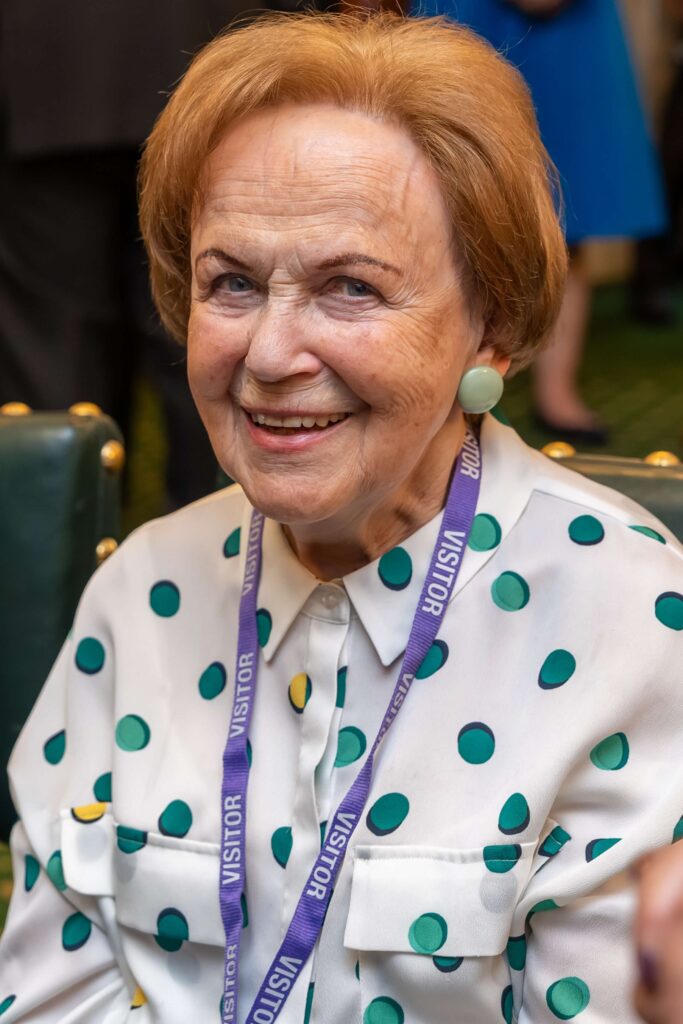
Mala Tribich MBE
Mala Tribich MBE was born in Piotrków, Poland, in 1930. Following the Nazi invasion, she and her family were forced into the first ghetto established in occupied Poland before she was deported to Ravensbrück and later Bergen-Belsen concentration camps. Mala was imprisoned at Bergen-Belsen at the same time as Anne Frank and, like Anne, contracted typhus. Unlike Anne, she survived to see liberation. After the war, Mala made her home in Britain and has since dedicated herself to Holocaust education. For decades, she has shared her testimony with thousands of young people, helping to ensure that the lessons of the Holocaust are never forgotten.
‘When I was in Bergen-Belsen, I still had hope, because without hope, there’s no survival. Today I have hope. A hope in the next generation, in the thousands of young people who have heard my testimony’
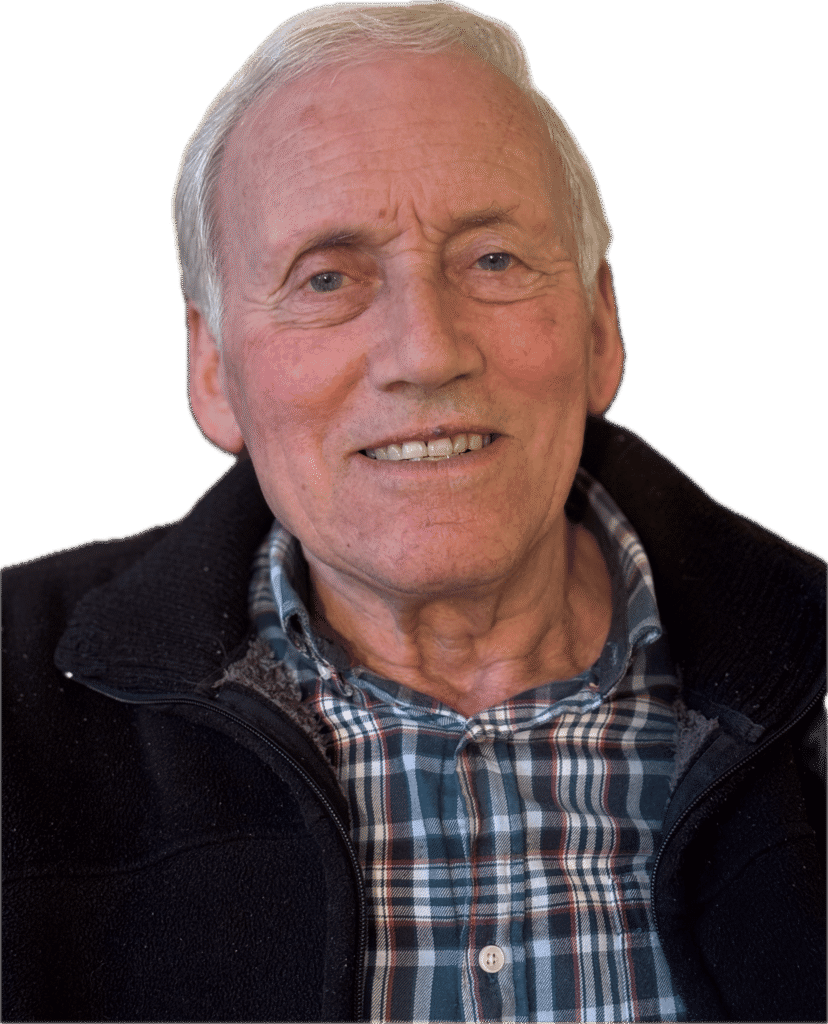
Robert Slager
Robert Slager was born in Amsterdam in August 1943, at the height of the Nazi occupation of the Netherlands. As a baby, he was hidden by members of the Dutch resistance who were working to save vulnerable Jewish children. Robert spent the war moving between safe houses and foster families who risked their lives to protect him. Following liberation, Robert was reunited with his mother, the sole survivor of his immediate family, after she tracked him down with the help of the resistance. Today, Robert shares his remarkable story of survival, resilience and courage, highlighting both the devastating human cost of the Holocaust and the extraordinary actions of those who chose to stand up against persecution.
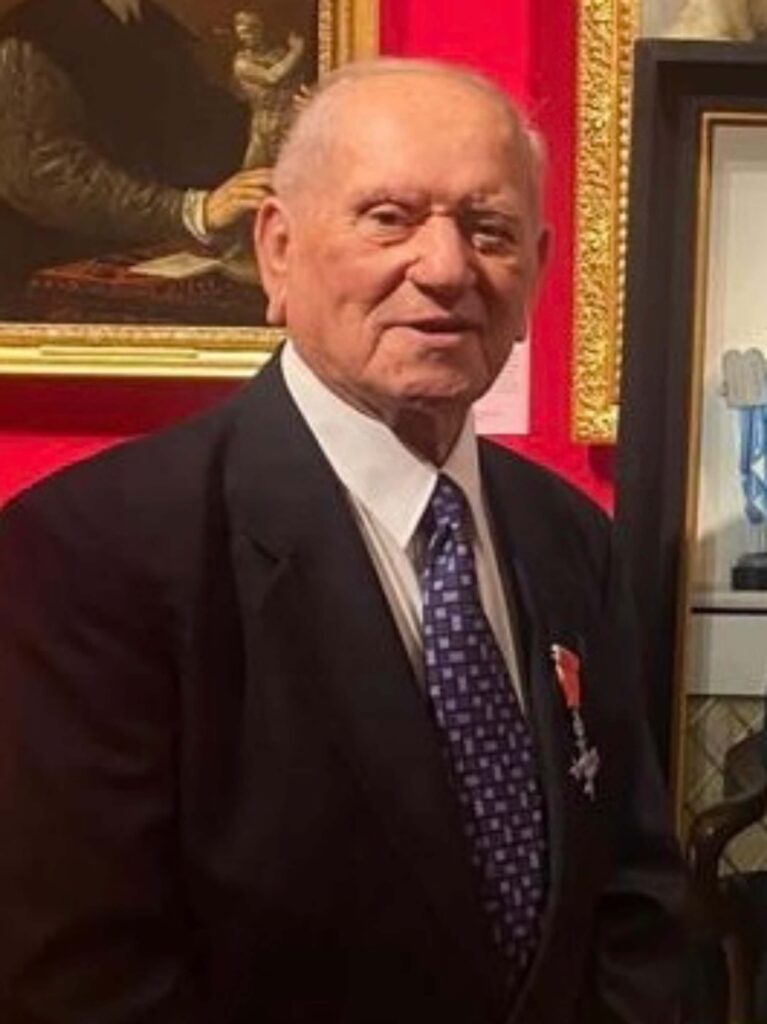
Arek Hersh MBE
Arek Hersh MBE was born in Sieradz, Poland, in 1928. Following the Nazi invasion in 1939, at just 11 years old, he was taken alone to the Otoschno labour and concentration camp, before later being imprisoned in the Łódź Ghetto. He was then deported to a series of concentration camps, including Auschwitz-Birkenau and Buchenwald where he endured unimaginable hardship and loss. After his liberation from Theresienstadt in 1945, Arek came to Britain as one of the renowned “Windermere Boys” and built a new life in the UK. For decades, he has dedicated himself to Holocaust education, sharing his testimony with thousands of young people and inspiring future generations to stand against hatred, prejudice and discrimination.
‘There are very few children left who came to Windermere, and I am one of the few left. Going around to many schools and sharing my story is important, because they need to hear it from somebody who was there and this can change the way people think about my experience during the Holocaust’
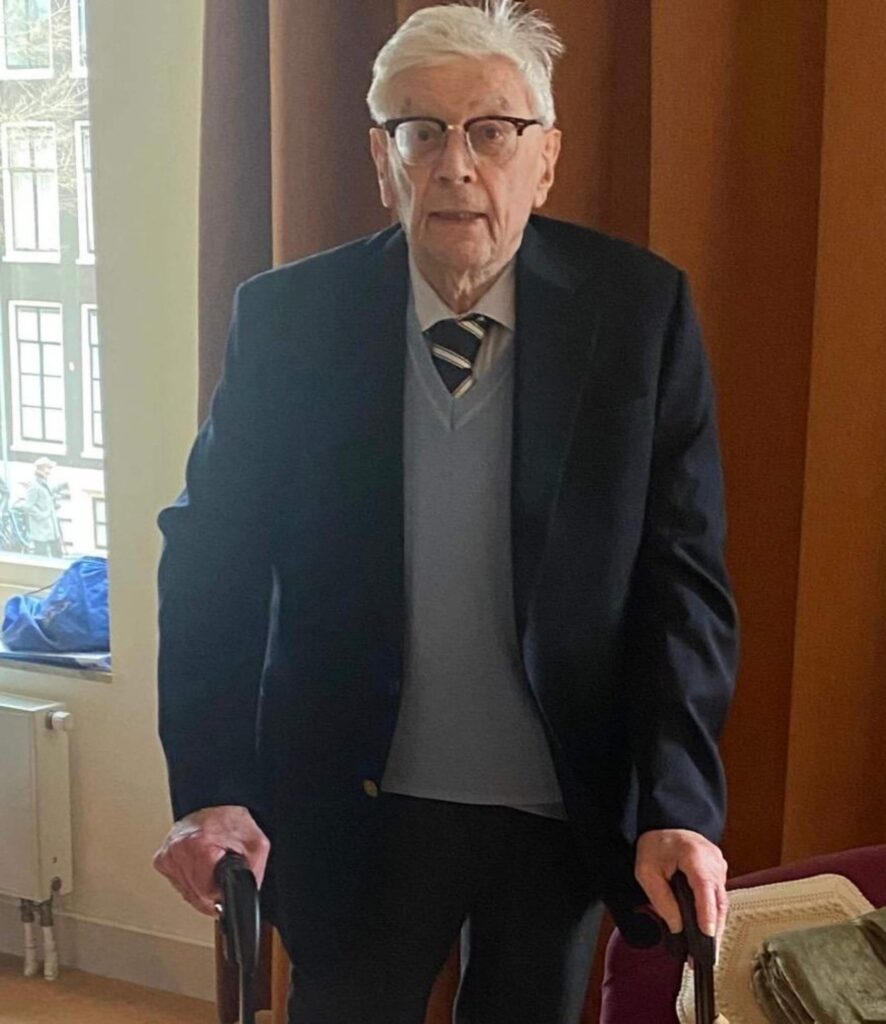
Max Snijders
Max Snijders was born in the Netherlands, he was born the same year as Anne Frank and was also a hidden child. During the Holocaust, he was hidden in a number of different locations to escape Nazi persecution. Max continues to share his experiences to educate young people about the Holocaust and to encourage them to challenge prejudice and discrimination wherever they encounter it.